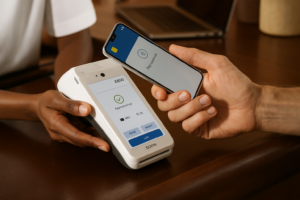
When searching for the best card machines for your Irish business, comparing card machine costs can feel overwhelming. Many providers advertise enticing headline rates, but the true cost of card payment processing involves much more than the percentage fee displayed in large, bold text on their websites. Understanding how to effectively compare card machine costs requires looking beyond these eye-catching rates to uncover the complete financial picture. This guide will help Irish business owners compare card machine costs thoroughly to find the best value.
Essential Factors to Compare Card Machine Costs Effectively
The card payment landscape in Ireland has evolved significantly, with businesses of all sizes now relying on card machines to process transactions. According to the Central Bank of Ireland, contactless payments have increased by over 200% since 2019. While finding affordable card payment solutions is essential, focusing solely on the advertised transaction rate can lead to unexpected expenses down the line.
To make a truly informed decision when you compare card machine providers, you need to examine several key cost factors:
Transaction Fees: Understanding Card Payment Processing Rates
Transaction fees form the foundation of your card machine costs. These typically come in three structures:
- Percentage-based fees: A percentage of each transaction (e.g., 1.5% per transaction)
- Fixed fees: A set amount per transaction (e.g., €0.20 per transaction)
- Blended fees: A combination of percentage and fixed fees (e.g., 1.2% + €0.10 per transaction)
When comparing card machine costs, ask providers to break down their fee structure for different card types. Premium credit cards, business cards, and international cards often incur higher processing fees than standard debit cards.
Monthly Rental Costs vs. Purchasing Card Machines Outright
Another significant factor when comparing card payment systems is whether to rent or buy your card machine. Many Irish businesses opt for rental agreements, which typically include:
- Monthly rental fee (ranging from €15 to €50+ per month)
- Technical support and maintenance
- Automatic updates to meet security standards
Purchasing card machines outright eliminates the recurring rental cost but requires a larger upfront investment (typically €200-€800 per device). When comparing these options, consider how long you plan to use the card machine and whether you’ll need to upgrade as technology evolves.
Contract Terms and Minimum Monthly Charges
When comparing card machine costs, pay close attention to:
- Contract length: Most providers require 18-36 month commitments
- Early termination fees: These can be substantial if you need to switch providers
- Minimum monthly charges: Some providers charge a minimum monthly fee regardless of your transaction volume
For seasonal businesses or those with fluctuating sales, these minimum charges can significantly impact the overall cost of your payment processing solution.
How to Compare Card Machine Costs: Hidden Expenses to Watch For
PCI Compliance Fees and Security Charges
Payment Card Industry (PCI) compliance is mandatory for all businesses accepting card payments. According to the PCI Security Standards Council, non-compliance can result in significant fines. When comparing card machine costs, ask about:
- Monthly PCI compliance fees
- Non-compliance penalties (if you fail to complete required security assessments)
- Security breach insurance costs
Some card payment providers include these in their base fees, while others add them as separate line items, making direct comparisons challenging.
Setup and Integration Expenses for Card Payment Systems
Initial setup costs can vary dramatically between card machine providers. When comparing options, inquire about:
- Installation and setup fees
- Integration costs with your existing EPOS system
- Staff training expenses
- Additional hardware requirements (receipt printers, stands, etc.)
These one-time expenses should factor into your total cost comparison, especially if you operate multiple locations requiring several card machines.
Currency Conversion and Cross-Border Transaction Fees
If your business serves international customers, currency conversion fees can significantly impact your card machine costs. Some providers charge as much as 3-4% for currency conversion on top of the standard transaction fee. When comparing card payment processing options, ask specifically about:
- Foreign transaction fees
- Dynamic Currency Conversion (DCC) options and related costs
- Multi-currency processing capabilities
Strategies for Effectively Comparing Card Machine Costs
Request Detailed Quotes Based on Your Specific Business Model
When comparing card machine providers, provide them with:
- Your average monthly transaction volume
- Typical transaction value
- Card types most commonly used by your customers
- Seasonal fluctuations in your business
This allows for a more accurate cost comparison based on your specific business needs rather than generic rates.
Calculate Total Cost of Ownership When Comparing Card Payment Solutions
Rather than focusing on individual fees, calculate the total cost of ownership (TCO) over the full contract term. As recommended by Enterprise Ireland’s business cost reduction strategies:
- Add up all fixed monthly costs (rental, minimum charges, statement fees)
- Estimate transaction fees based on your average monthly volume
- Include any one-time setup costs
- Factor in potential price increases during the contract period
This comprehensive approach provides a more accurate basis for comparing card machine costs among different providers.
Negotiate Better Terms with Card Machine Providers
Don’t accept the first quote when comparing card payment processors. Consider:
- Requesting fee matching if you have quotes from competing providers
- Asking for reduced rates in exchange for longer contract terms
- Seeking waived setup fees or free trial periods
- Negotiating caps on price increases during your contract
Many Irish card machine providers have flexibility in their pricing structures, especially for businesses with high transaction volumes.
Beyond Cost: Other Factors When Comparing Card Machines
While comparing card machine costs is crucial, the cheapest option isn’t always the best for your business. Also consider:
- Customer support quality: Is help available when you need it?
- Settlement timeframes: How quickly will funds reach your account?
- Hardware reliability: Does the card machine have good reviews for durability?
- Software features: Does the system provide valuable analytics and reporting?
- Future-proofing: Will the card payment system adapt to emerging technologies?
Conclusion: Making an Informed Decision When Comparing Card Machine Costs
Comparing card machine costs effectively requires looking far beyond the headline transaction rate. By understanding the full fee structure, identifying hidden costs, and calculating the total cost of ownership, Irish businesses can make more informed decisions about their card payment processing solutions.
Before signing any contract, request detailed quotes from multiple providers, ask specific questions about potential additional fees, and carefully review the terms and conditions. This thorough approach to compare card machine costs will help you find the most cost-effective solution for your business needs.
At Compayre.ie, we specialize in helping Irish businesses navigate these complex comparisons to find the best card machines at competitive rates. As a Guaranteed Irish company, we’re committed to providing transparent advice on card payment processing. Contact us at +353 1 265 4403 to learn how we can help you find the right card payment solution for your specific business requirements.